
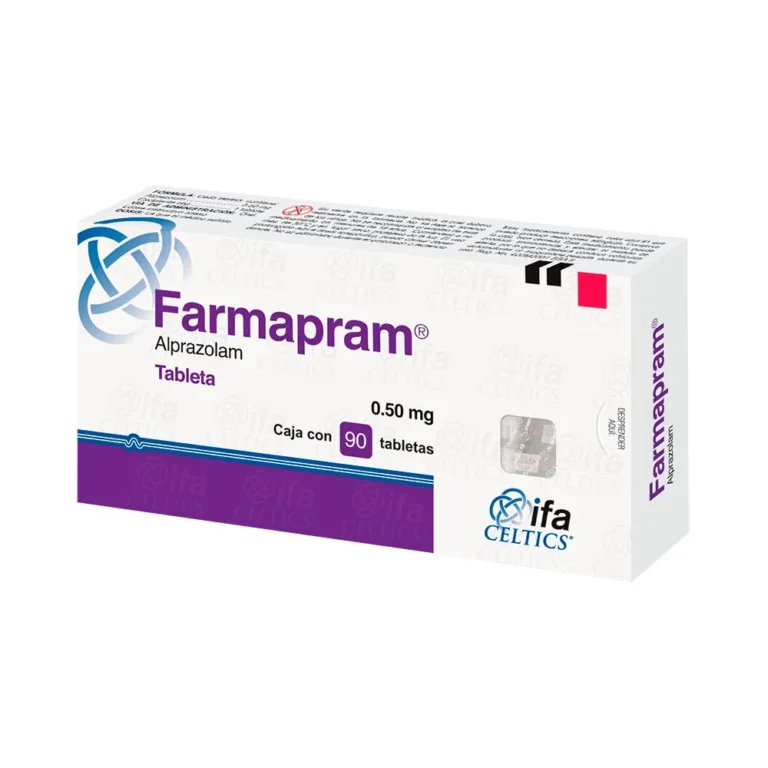
Farmapram 0.50 mg 90 tablets


$130.00
Buy Farmapram Alprazolam 2mg online. Fastest & safest delivery. Discreet shipping. Authentic Mexican medication. Order now.
Farmapram Alprazolam 2mg: The Complete Guide to Mexico’s High-Potency Anxiety Medication
Introduction
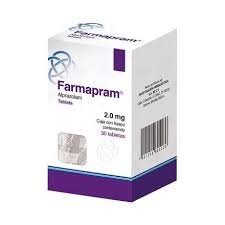
Farmapram Alprazolam 2mg represents the highest single-dose immediate-release formulation of one of the most widely prescribed benzodiazepines in the world. Farmapram is the Mexican brand name for Alprazolam, manufactured by Investigación Farmacéutica, S.A. de C.V., while the 2mg strength is the most potent tablet available in the product line. This combination of brand, active ingredient, and strength has become one of the most searched pharmaceutical terms online, driven by individuals seeking information about anxiety and panic disorder treatment options.
Understanding Farmapram Alprazolam 2mg requires comprehensive knowledge of its mechanism of action, medical indications, proper dosing protocols, side effect profiles, withdrawal risks, legal status, and safety considerations. This guide provides all of that information in detail, helping readers make informed decisions about this medication while emphasizing the critical importance of medical supervision and prescription requirements.
What is Farmapram Alprazolam 2mg?
Farmapram Alprazolam 2mg is a pharmaceutical product that combines three essential identifiers. Farmapram is the trademarked brand name used exclusively in Mexico and select Latin American markets. Alprazolam is the active pharmaceutical ingredient, which belongs to the benzodiazepine class of medications. The number 2mg indicates the strength of each tablet, representing the highest single-dose available in the immediate-release formulation.
The medication is manufactured by Investigación Farmacéutica, S.A. de C.V., a Mexican pharmaceutical company with manufacturing facilities located in the state of Jalisco. The company produces Farmapram in multiple strengths including 0.25mg, 0.5mg, 1mg, and 2mg, with the 2mg strength being the most potent and most frequently searched.
The physical appearance of Farmapram Alprazolam 2mg is distinctive. Each tablet is white, rectangular, and shaped like a small bar. The tablet features three deep score lines on each side, allowing it to be easily broken into smaller segments. A whole tablet equals 2mg. Breaking along one score line produces two halves, each approximately 1mg. Breaking along two score lines produces four quarters, each approximately 0.5mg. Breaking along all three score lines produces eight segments, each approximately 0.25mg. This design allows for flexible dosing without requiring multiple prescription strengths.
Unlike the US-branded Xanax, which typically has the word XANAX imprinted on one side and the number 2 on the other, Farmapram tablets have no letters or numbers imprinted on them. The only markings are the three score lines on each side. This lack of imprints makes visual identification more difficult and contributes to the counterfeit problem discussed later in this guide.
How Farmapram Alprazolam 2mg Works in the Body
Understanding how Farmapram Alprazolam 2mg works requires basic knowledge of brain chemistry. The human brain contains billions of neurons that communicate with each other using chemical messengers called neurotransmitters. Some neurotransmitters excite neurons, making them more likely to fire and send signals. Others inhibit neurons, making them less likely to fire. A healthy brain maintains a delicate balance between excitation and inhibition.
Alprazolam works by enhancing the effects of the brain’s primary inhibitory neurotransmitter, which is called gamma-aminobutyric acid and commonly abbreviated as GABA. GABA is responsible for reducing neuronal activity, creating a calming effect throughout the central nervous system. When GABA binds to its receptors on neurons, it opens chloride channels, allowing negatively charged chloride ions to enter the neuron. This makes the neuron more negatively charged and harder to excite.
Alprazolam binds to a specific site on the GABA-A receptor, distinct from where GABA itself binds. This binding changes the shape of the receptor, making it more sensitive to GABA. When GABA subsequently binds to the receptor, the chloride channels open more frequently and for longer durations. The result is a significant enhancement of GABA’s natural inhibitory effects.
The clinical effects of this mechanism include anxiety reduction, which is the primary medical use. Sedation occurs as brain activity slows generally. Muscle relaxation results from reduced signals from the brain to the spinal cord. Anticonvulsant effects occur because excessive neuronal firing is suppressed. Anterograde amnesia, or difficulty forming new memories, is a common but often undesirable effect.
The onset of action for Farmapram Alprazolam 2mg is rapid. When taken orally on an empty stomach, peak blood levels are reached within one to two hours. The effects are felt within thirty to sixty minutes. The duration of action is approximately four to six hours for the anxiolytic effects, though sedation may last longer. The short duration of action is one reason Alprazolam has a higher potential for abuse and dependence compared to longer-acting benzodiazepines like Diazepam or Clonazepam.
Medical Uses of Farmapram Alprazolam 2mg
Farmapram Alprazolam 2mg is approved for specific medical indications. Understanding these indications helps determine whether this medication is appropriate for a particular clinical situation.
Generalized Anxiety Disorder
Generalized Anxiety Disorder, commonly abbreviated as GAD, is characterized by excessive, uncontrollable worry about multiple aspects of daily life. The worry is disproportionate to the actual likelihood or impact of the feared events. Symptoms must persist for at least six months for a diagnosis. Physical symptoms include restlessness, feeling keyed up or on edge, fatigue, difficulty concentrating, irritability, muscle tension, and sleep disturbances.
Alprazolam is approved for the short-term relief of symptoms of moderate to severe generalized anxiety disorder. The 2mg strength is generally reserved for patients who have not achieved adequate relief with lower doses of 0.25mg or 0.5mg taken three times daily. For mild anxiety, non-pharmacological treatments such as cognitive behavioral therapy or lower-dose benzodiazepines are typically preferred.
Panic Disorder Farmapram Alprazolam 2mg
Panic Disorder is a more severe condition involving recurrent, unexpected panic attacks. A panic attack is a sudden surge of intense fear or discomfort that peaks within minutes. Symptoms include palpitations, pounding heart, accelerated heart rate, sweating, trembling or shaking, sensations of shortness of breath, feeling of choking, chest pain, nausea, feeling dizzy or faint, chills or heat sensations, numbness or tingling, derealization or depersonalization, fear of losing control, and fear of dying.
Alprazolam is approved for the treatment of panic disorder with or without agoraphobia. Agoraphobia is fear of places or situations where escape might be difficult or help might not be available during a panic attack. The 2mg strength is often necessary for patients with severe panic disorder who do not respond to lower doses. Some patients with panic disorder may require doses higher than 2mg per day, up to 6mg or even 10mg daily, though such high doses should only be prescribed by psychiatrists with extensive experience treating severe panic disorder.
Anxiety Associated with Depression Farmapram Alprazolam 2mg
Alprazolam is sometimes used as an adjunctive treatment when anxiety symptoms accompany major depressive disorder. In this context, the medication provides rapid relief of anxiety symptoms while waiting for antidepressants, which typically take two to four weeks to achieve full effect, to become effective. However, Alprazolam is not approved as a standalone treatment for depression and should not be used as a substitute for appropriate antidepressant therapy.
Premenstrual Syndrome and Premenstrual Dysphoric Disorder Farmapram Alprazolam 2mg
Some clinicians prescribe Alprazolam intermittently for severe premenstrual syndrome or premenstrual dysphoric disorder. In these cases, the medication is taken only during the luteal phase of the menstrual cycle, typically the seven to fourteen days before menstruation. Intermittent dosing may reduce the risk of tolerance and dependence compared to daily dosing.
Other Off-Label Uses Farmapram Alprazolam 2mg
Alprazolam is sometimes used off-label for other conditions including insomnia, though longer-acting benzodiazepines or non-benzodiazepine hypnotics are generally preferred. It may be used for agitation in elderly patients with dementia, though this use carries significant risks and is generally discouraged. It may be used for catatonia, a neuropsychiatric syndrome characterized by abnormal movement and behavior, though benzodiazepines are first-line treatment for this condition regardless of off-label status.
Duration of Treatment Guidelines
Medical guidelines consistently emphasize that Farmapram Alprazolam 2mg is intended for short-term use only. The recommended duration of continuous treatment is typically two to four weeks. Extended use beyond this period should only occur under strict medical supervision when the benefits clearly outweigh the substantial risks.
For generalized anxiety disorder, treatment courses longer than four weeks are rarely indicated. Most patients with generalized anxiety disorder are better managed with selective serotonin reuptake inhibitors, which are safe for long-term use, or with non-pharmacological treatments such as cognitive behavioral therapy.
For panic disorder, longer treatment courses may be necessary because panic disorder tends to be a chronic condition. However, even in panic disorder, Alprazolam should be used at the lowest effective dose for the shortest necessary duration. Many patients with panic disorder are successfully transitioned to selective serotonin reuptake inhibitors or serotonin-norepinephrine reuptake inhibitors, which provide long-term control without the risks of tolerance and dependence.
Intermittent dosing, where the medication is taken only during periods of increased symptoms rather than on a fixed daily schedule, may reduce the risk of tolerance and physical dependence. For example, a patient with panic disorder might take Farmapram Alprazolam 2mg only when they anticipate a panic-inducing situation, such as air travel or public speaking, rather than taking it every day. This as-needed approach is generally safer than daily dosing.
Proper Dosing of Farmapram Alprazolam 2mg
Dosing of Farmapram Alprazolam 2mg must be individualized based on the patient’s condition, response to treatment, tolerance to side effects, and other factors. The 2mg strength is a high dose and is not appropriate for all patients.
Starting Doses
For patients who have never taken Alprazolam before, the recommended starting dose is 0.25mg to 0.5mg taken three times daily. This lower starting dose allows the body to adjust to the medication and minimizes the risk of excessive sedation, falls, and other side effects. The dose may be gradually increased based on clinical response and tolerability.
For elderly patients or debilitated patients, the starting dose should be even lower, typically 0.25mg taken two or three times daily. Elderly patients are more sensitive to the effects of benzodiazepines and have a higher risk of falls, fractures, and cognitive impairment.
For patients with liver disease, the starting dose should be reduced because the liver is responsible for metabolizing Alprazolam. Patients with cirrhosis or other forms of significant liver impairment may require doses that are fifty percent lower than standard doses.
When the 2mg Strength is Appropriate
The 2mg strength is typically reserved for specific clinical situations. These include patients with severe panic disorder who have tried lower doses without adequate relief. Patients who have developed tolerance to 1mg doses after extended treatment may require escalation to 2mg. Maintenance therapy for chronic, treatment-resistant anxiety under strict medical supervision may utilize 2mg doses. Patients being transitioned from other benzodiazepines at equivalent doses may receive 2mg.
The 2mg dose is almost never appropriate for first-time users. It is not appropriate for mild anxiety symptoms. It is not appropriate for elderly patients. It is not appropriate for patients with significant liver or kidney impairment without dose adjustment.
How to Divide a Farmapram Alprazolam 2mg Tablet
The Farmapram Alprazolam 2mg tablet is designed with three score lines to facilitate accurate dose division. Understanding how to divide the tablet correctly is essential for patients who need doses other than 2mg.
A whole tablet equals 2mg. A half tablet, achieved by breaking along the center score line, equals approximately 1mg. A quarter tablet, achieved by breaking along two perpendicular score lines, equals approximately 0.5mg. An eighth of a tablet, achieved by breaking along all three score lines, equals approximately 0.25mg.
To break the tablet accurately, place it on a flat, hard surface. Use your thumbs to apply pressure on either side of the score line you wish to break. The tablet should snap cleanly along the score line. If the tablet crumbles or breaks unevenly, the medication may have been exposed to moisture or may be expired.
Maximum Doses
The maximum recommended single dose of Alprazolam is 2mg. Taking more than 2mg at once significantly increases the risk of severe sedation, respiratory depression, and overdose.
The maximum recommended total daily dose varies based on the condition being treated. For generalized anxiety disorder, the maximum daily dose is typically 4mg, divided into three or four doses. For panic disorder, some patients may require up to 6mg or 10mg daily. However, such high doses should only be prescribed by psychiatrists with extensive experience in treating severe panic disorder. Patients taking more than 4mg daily should be monitored closely for signs of tolerance, dependence, and adverse effects.
Side Effects of Farmapram Alprazolam 2mg
All medications carry the risk of side effects, and Farmapram Alprazolam 2mg is no exception. Side effects range from mild and temporary to severe and potentially life-threatening.
Common Side Effects
The most frequently reported side effects of Alprazolam involve the central nervous system due to the medication’s sedating properties. Drowsiness and sedation occur in a significant percentage of users, especially when first starting the medication or when taking higher doses. This effect may diminish over time as tolerance develops.
Dizziness and lightheadedness are also common, particularly when standing up quickly from a sitting or lying position. This effect, called orthostatic hypotension, results from blood pressure lowering and can increase the risk of falls. Patients should rise slowly from sitting or lying positions.
Fatigue and generalized weakness may persist throughout the course of treatment. Some patients report feeling hungover or groggy even after a full night’s sleep. This effect is more pronounced with the 2mg strength.
Dry mouth is another common complaint, caused by the medication’s anticholinergic effects. Some users experience the opposite effect, hypersalivation or increased saliva production. Both effects are generally not dangerous but can be bothersome.
Changes in appetite are frequently reported. Some individuals eat more and gain weight while taking Alprazolam. Others lose their appetite and lose weight. These effects are usually reversible upon discontinuation.
Less Common but Serious Side Effects Farmapram Alprazolam 2mg
Anterograde amnesia, which is difficulty forming new memories, occurs most frequently at higher doses like 2mg. Users may not remember events that occurred while under the influence of the medication. This effect is more pronounced when the medication is taken with alcohol and may persist for several hours after the medication wears off.
Paradoxical reactions are rare but serious. Instead of calming the patient, Alprazolam causes increased agitation, aggression, hostility, or rage. These reactions are more common in children, elderly patients, and individuals with underlying psychiatric conditions including a history of aggressive behavior or borderline personality disorder. If a paradoxical reaction occurs, the medication should be discontinued immediately and an alternative treatment should be prescribed.
Ataxia, or loss of coordination and unsteady gait, can occur especially at 2mg doses. This increases the risk of falls and injuries, particularly in elderly patients who may already have balance issues. Slurred speech resembling alcohol intoxication may also occur at higher doses.
Jaundice, characterized by yellowing of the skin or the whites of the eyes, indicates liver dysfunction. While rare, this requires immediate medical attention and discontinuation of the medication. Other signs of liver problems include dark urine, pale stools, nausea, vomiting, and abdominal pain.
Life-Threatening Adverse Reactions Farmapram Alprazolam 2mg
Respiratory depression is the most dangerous side effect of Alprazolam. The medication slows breathing by depressing the brain’s respiratory centers. At therapeutic doses, this effect is usually mild and not clinically significant in healthy individuals. However, at higher doses or when combined with other central nervous system depressants such as opioids or alcohol, respiratory depression can become severe. Signs of significant respiratory depression include slow breathing, shallow breathing, pauses in breathing, blue tint to lips or fingertips, confusion, and extreme drowsiness. Severe respiratory depression leads to hypoxia, coma, and death.
Severe allergic reactions, including anaphylaxis, are rare but possible. Symptoms include rash, hives, swelling of the face, tongue, or throat, difficulty breathing, and rapid heartbeat. Anaphylaxis is a medical emergency requiring immediate administration of epinephrine and emergency medical care.
Long-Term Risks of Farmapram Alprazolam 2mg
Using Farmapram Alprazolam 2mg for extended periods carries specific risks that differ from and are more severe than those associated with short-term use. Understanding these risks is essential for anyone considering long-term treatment.
Tolerance
Tolerance occurs when the body adapts to the presence of a medication, requiring higher doses to achieve the same effect. With Alprazolam, tolerance to the anxiolytic effects typically develops within four to eight weeks of regular use. Tolerance to the sedative effects develops even more rapidly, often within one to two weeks.
Patients who initially achieved relief with 1mg may find that dose no longer effective and request an increase to 2mg or higher. This cycle of dose escalation is one of the primary drivers of dependence and addiction. Some patients escalate to doses far exceeding recommended maximums, taking 6mg, 8mg, or even more per day.
Tolerance can also occur to the therapeutic effects of the medication without significant tolerance to the adverse effects. This means a patient may require higher doses for anxiety relief while remaining just as susceptible to sedation, memory impairment, and respiratory depression.
Physical Dependence Farmapram Alprazolam 2mg
Physical dependence is a physiological state where the body has adapted to the presence of Alprazolam and cannot function normally without it. Physical dependence is not the same as addiction, which involves compulsive drug-seeking behavior despite harm. However, physical dependence is an expected consequence of regular benzodiazepine use lasting longer than four weeks.
Once physical dependence has developed, the patient will experience withdrawal symptoms if the medication is reduced or stopped. Withdrawal symptoms can be severe and potentially life-threatening. For this reason, patients who are physically dependent on Alprazolam cannot simply stop taking it. They must undergo a physician-supervised tapering protocol.
Cognitive Impairment Farmapram Alprazolam 2mg
Long-term benzodiazepine use has been associated with persistent cognitive impairment. Studies have found deficits in memory, particularly verbal memory and working memory, attention and concentration, processing speed, executive function including planning and decision making, and visuospatial abilities.
These deficits may persist even after the medication is discontinued, though the extent of reversibility remains an area of active research. Some studies suggest that cognitive impairment may partially improve after cessation, while others suggest that some deficits may be permanent, especially after years of use.
Increased Fall Risk in Elderly Patients Farmapram Alprazolam 2mg
Elderly patients are particularly vulnerable to the adverse effects of Alprazolam. The medication’s sedative properties and effects on coordination increase the risk of falls. Falls in elderly patients can lead to hip fractures, which are associated with significant morbidity and mortality. Other fall-related injuries include wrist fractures, head injuries, and intracranial bleeding.
For this reason, Alprazolam is generally avoided in elderly patients unless absolutely necessary. When the medication cannot be avoided, lower doses such as 0.25mg are used, and patients are monitored closely for signs of sedation and imbalance.
Rebound Anxiety
Rebound anxiety is a withdrawal phenomenon where anxiety symptoms return with greater intensity than before treatment. This occurs because the brain has downregulated its own GABA production in response to the constant presence of exogenous Alprazolam. When the medication is removed, the brain cannot immediately compensate, leading to excessive neuronal activity and severe anxiety.
Rebound anxiety can be so severe that patients cannot tolerate discontinuing the medication, leading to continued use and escalating doses. This is one mechanism by which therapeutic use transitions to dependence and addiction.
Withdrawal from Farmapram Alprazolam 2mg
Withdrawal from Alprazolam after regular use is potentially life-threatening and should never be attempted without medical supervision. Understanding withdrawal is essential for anyone who has been taking Farmapram Alprazolam 2mg regularly.
Why Withdrawal Occurs Farmapram Alprazolam 2mg
Withdrawal occurs because the brain has adapted to the presence of Alprazolam. GABA-A receptors have become less sensitive due to the constant enhancement of GABA activity. The brain has also reduced its natural production of GABA and may have altered the expression of receptor subtypes.
When the medication is removed, the brain cannot immediately restore normal function. The result is a rebound hyperexcitability of the nervous system, which manifests as withdrawal symptoms. The severity of withdrawal is proportional to the dose, duration of use, and rate of discontinuation.
Withdrawal Symptoms
Withdrawal symptoms from Alprazolam can be severe and include both psychological and physical components.
Psychological withdrawal symptoms include rebound anxiety that is often more intense than the original anxiety, insomnia that may be severe and refractory to sleep medications, panic attacks that may be more frequent and intense than before treatment, irritability and agitation, confusion and disorientation, depersonalization or feeling detached from oneself, derealization or feeling that the environment is unreal, sensory disturbances including hypersensitivity to light and sound, and in severe cases, psychosis with hallucinations and delusions.
Physical withdrawal symptoms include tremors, particularly fine tremors of the hands, sweating, rapid heart rate, elevated blood pressure, muscle pain and stiffness, headaches, nausea and vomiting, diarrhea, abdominal cramps, weight loss, and seizures.
Seizures are the most dangerous physical withdrawal symptom. Seizures from benzodiazepine withdrawal can be generalized tonic-clonic seizures, formerly known as grand mal seizures, which involve loss of consciousness and violent muscle contractions. In severe cases, status epilepticus, a seizure lasting longer than five minutes or multiple seizures without recovery between them, can occur. Status epilepticus is a medical emergency with significant mortality risk.
Withdrawal Timeline
The onset of withdrawal symptoms depends on the half-life of the medication. Alprazolam has a relatively short half-life of approximately eleven to thirteen hours in healthy adults. Withdrawal symptoms typically begin within six to twelve hours after the last dose.
Symptoms peak between twenty-four and seventy-two hours after the last dose. This is when seizures are most likely to occur, though seizures can occur up to ninety-six hours after the last dose. Acute withdrawal symptoms generally resolve within five to fourteen days, though some symptoms may persist longer.
Protracted withdrawal symptoms, sometimes called post-acute withdrawal syndrome, can persist for weeks or months after discontinuation. These symptoms include residual anxiety, depression, insomnia, cognitive impairment, and sensory disturbances. Protracted withdrawal is more common in patients who used high doses for extended periods.
Safe Discontinuation
The only safe way to discontinue Farmapram Alprazolam 2mg after regular use is through a physician-supervised tapering protocol. Tapering involves gradually reducing the dose over weeks or months, allowing the brain to slowly adapt to lower levels of the medication.
Because Alprazolam has a short half-life, making it difficult to taper smoothly, physicians often switch patients to a long-acting benzodiazepine such as Diazepam, which has a half-life of twenty to one hundred hours. Once stabilized on Diazepam, the dose is gradually reduced over a period of weeks or months. This approach produces a smoother withdrawal with lower seizure risk.
A typical tapering protocol might reduce the total daily dose by five to ten percent every one to two weeks. Patients who have been taking high doses for many years may require tapering over six to twelve months. Abrupt discontinuation, sometimes called cold turkey, is never safe and should never be attempted.
Drug Interactions with Farmapram Alprazolam 2mg
Farmapram Alprazolam 2mg interacts with numerous medications and substances. Some interactions are mild, while others are life-threatening. Understanding these interactions is critical for patient safety.
Potentially Fatal Interactions
Opioids present the most dangerous interaction with Alprazolam. The combination of a benzodiazepine and an opioid causes profound central nervous system depression, severe respiratory depression, coma, and death. The United States Food and Drug Administration has issued a boxed warning, the strongest warning level, against concurrent use of benzodiazepines and opioids. Common opioids include fentanyl, oxycodone, hydrocodone, morphine, codeine, tramadol, and heroin. Patients taking Farmapram Alprazolam 2mg should never take opioids unless under the direct supervision of a physician who is aware of the interaction and has implemented specific risk mitigation strategies.
Alcohol is another dangerous combination. Both Alprazolam and alcohol are central nervous system depressants. When taken together, the sedative effects are more than additive, leading to severe impairment of motor function, memory blackouts, dangerously slowed breathing, and potentially death. Individuals taking Farmapram Alprazolam 2mg should never consume alcohol. The combination is particularly dangerous because both substances are commonly abused together.
Other benzodiazepines including Diazepam, Lorazepam, Clonazepam, and Temazepam have additive effects when combined with Alprazolam. This combination increases the risk of severe sedation, respiratory depression, and overdose. Patients should not take multiple benzodiazepines simultaneously.
Barbiturates, which are now rarely prescribed, have additive depressant effects and are potentially fatal when combined with Alprazolam.
Clinically Significant Interactions
Several medications affect how the body metabolizes Alprazolam. Alprazolam is broken down in the liver by an enzyme called CYP3A4. Medications that inhibit this enzyme cause Alprazolam levels in the blood to rise, potentially reaching toxic concentrations.
Azole antifungals including Ketoconazole, Itraconazole, and Fluconazole are potent CYP3A4 inhibitors. Taking these with Alprazolam can increase Alprazolam blood levels by up to three hundred percent. Patients taking these antifungals may require significant dose reductions or alternative anxiety medications.
Certain antibiotics including Erythromycin and Clarithromycin also inhibit CYP3A4 and increase Alprazolam levels. Other CYP3A4 inhibitors include HIV protease inhibitors such as Ritonavir, calcium channel blockers such as Diltiazem and Verapamil, the antidepressant Nefazodone, and the antiarrhythmic Amiodarone.
Grapefruit juice is a well-known inhibitor of intestinal CYP3A4. Drinking grapefruit juice while taking Alprazolam can increase Alprazolam blood levels by approximately fifty percent. Patients taking Farmapram Alprazolam 2mg should avoid grapefruit juice entirely.
Medications that induce CYP3A4 have the opposite effect, decreasing Alprazolam levels and potentially reducing therapeutic efficacy. These include Rifampin, Carbamazepine, Phenytoin, and St. John’s Wort. Patients taking these medications may require higher doses of Alprazolam or alternative treatments.
Contraindications for Farmapram Alprazolam 2mg
Certain medical conditions and situations make the use of Farmapram Alprazolam 2mg unsafe. These are called contraindications. They are divided into absolute contraindications, where the medication should never be used, and relative contraindications, where the medication may be used with caution under close medical supervision.
Absolute Contraindications
Myasthenia gravis is an absolute contraindication. This autoimmune disorder causes muscle weakness due to antibodies that block or destroy acetylcholine receptors at the neuromuscular junction. Alprazolam’s muscle relaxant properties worsen this weakness and can lead to respiratory compromise, difficulty swallowing, and inability to maintain posture. Patients with myasthenia gravis should never take Alprazolam.
Severe respiratory insufficiency is an absolute contraindication. This includes chronic obstructive pulmonary disease with hypoxia or hypercapnia, severe sleep apnea, severe asthma, cystic fibrosis with respiratory compromise, and any other condition that impairs the body’s ability to maintain adequate oxygen and carbon dioxide levels. Alprazolam depresses the brain’s respiratory centers and can push patients with already compromised breathing into respiratory failure requiring mechanical ventilation.
Severe liver impairment is an absolute contraindication. This includes cirrhosis with ascites or encephalopathy, acute liver failure, and any condition that significantly impairs the liver’s ability to metabolize medications. The liver is responsible for metabolizing Alprazolam. When liver function is severely impaired, the medication accumulates to toxic levels, causing excessive sedation, respiratory depression, and hepatic encephalopathy.
Narrow-angle glaucoma is an absolute contraindication. This condition, also called angle-closure glaucoma, occurs when the drainage angle in the eye becomes blocked, preventing aqueous humor from draining and causing rapid increases in intraocular pressure. Alprazolam can increase intraocular pressure, worsening this condition and potentially causing optic nerve damage and vision loss. Patients with narrow-angle glaucoma should not take Alprazolam. Patients with open-angle glaucoma, the more common form, may take Alprazolam with caution.
Known hypersensitivity to Alprazolam or any other benzodiazepine is an absolute contraindication due to the risk of anaphylaxis. Patients who have had allergic reactions to other benzodiazepines should also avoid Alprazolam due to cross-reactivity.
Pregnancy is an absolute contraindication, particularly during the first and third trimesters. Alprazolam use during the first trimester is associated with an increased risk of congenital malformations including cleft lip and palate. Use during the third trimester and near labor can cause floppy infant syndrome, characterized by hypotonia, hypothermia, poor feeding, and respiratory depression, as well as neonatal withdrawal syndrome with irritability, hypertonia, tremors, and feeding difficulties. Alprazolam should only be used during pregnancy if absolutely necessary and only under the close supervision of a physician.
Breastfeeding is an absolute contraindication. Alprazolam passes into breast milk in significant concentrations. Nursing infants exposed to Alprazolam may experience sedation, poor feeding, weight loss, and withdrawal symptoms if the mother stops taking the medication. Women taking Alprazolam should not breastfeed.
Relative Contraindications Farmapram Alprazolam 2mg
Relative contraindications are conditions where Alprazolam may be used with caution and under close medical supervision, but where the risks are elevated and alternative treatments should be considered first.
A history of substance abuse or dependence, including alcohol use disorder, opioid use disorder, or other sedative use disorder, is a relative contraindication. Patients with this history are at higher risk of abusing Alprazolam, escalating doses, and developing addiction.
Depression with suicidal ideation is a relative contraindication. Alprazolam can disinhibit impulsive behavior, potentially increasing the risk of suicide attempts in depressed patients. Additionally, Alprazolam does not treat depression and may worsen depressive symptoms in some patients.
Kidney impairment is a relative contraindication. While Alprazolam is primarily metabolized by the liver, kidney impairment can affect the elimination of metabolites and may require dose reduction.
Obesity is a relative contraindication. Alprazolam is lipophilic, meaning it accumulates in fat tissue. Obese patients have larger volume of distribution and may experience prolonged effects.
Elderly age, generally defined as sixty-five years or older, is a relative contraindication. Elderly patients are more sensitive to benzodiazepine effects and have higher risks of falls, fractures, cognitive impairment, and delirium.
Legal Status of Farmapram Alprazolam 2mg
Understanding the legal status of Farmapram Alprazolam 2mg is essential for anyone considering obtaining or using this medication.
Legal Status in Mexico
In Mexico, Alprazolam is classified as a controlled substance requiring a prescription. The specific regulatory classification requires a prescription from a licensed Mexican physician. The prescription must include the physician’s signature and professional registration number. The prescription must include the patient’s identification. The prescription must specify the dosage and quantity prescribed.
Major Mexican pharmacy chains including Farmacias del Ahorro, Benavides, and Guadalajara strictly enforce this prescription requirement. They will not dispense Farmapram Alprazolam 2mg without a valid Mexican prescription.
Some smaller independent pharmacies, particularly those located near the United States border, may dispense Farmapram without a prescription. However, this practice is illegal under Mexican health law. These pharmacies may also sell counterfeit or adulterated products. Purchasing from these sources carries significant legal and medical risks.
Legal Status in the United States
In the United States, Alprazolam is classified as a Schedule IV controlled substance under the Controlled Substances Act. This classification indicates that the drug has a legitimate medical use but also has potential for abuse and dependence.
Farmapram specifically is not approved by the United States Food and Drug Administration. This means the medication cannot be legally marketed or sold in the United States. Importing Farmapram from Mexico is illegal. United States Customs and Border Protection has the authority to seize any packages containing Farmapram. Individuals attempting to import Farmapram may face fines, arrest, and criminal prosecution.
Individuals who have a valid United States prescription for Alprazolam can obtain generic Alprazolam or brand-name Xanax from licensed United States pharmacies. There is no legal need to obtain Farmapram from Mexico.
Legal Status in Other Countries
Canada classifies Alprazolam as a Schedule IV controlled substance under the Controlled Drugs and Substances Act. A prescription is required. Importation from Mexico is illegal.
The United Kingdom classifies Alprazolam as a Class C controlled substance under the Misuse of Drugs Act. A prescription is required. Importation from Mexico is illegal.
Australia classifies Alprazolam as a Schedule 4 prescription-only medicine with additional controls. A prescription is required. Importation from Mexico is illegal.
Most European Union countries classify Alprazolam as a prescription-only controlled substance. Importation from Mexico is illegal throughout the EU.
Counterfeit Farmapram Alprazolam 2mg Warning
The popularity of Farmapram has made it a target for counterfeiters. Understanding the risks of counterfeit medication is essential for anyone considering obtaining Farmapram from any source other than a licensed Mexican pharmacy with a valid prescription.
Fentanyl Contamination
Independent drug testing services have repeatedly detected fentanyl in pills sold as Farmapram Alprazolam 2mg. Fentanyl is a synthetic opioid fifty to one hundred times more potent than morphine. It is inexpensive for criminals to produce and is frequently used as a filler in counterfeit prescription pills.
Even a single counterfeit tablet containing fentanyl can cause immediate respiratory arrest and death. The presence of fentanyl in counterfeit benzodiazepines has caused numerous overdose deaths. Because fentanyl is so potent, the difference between a lethal dose and a non-lethal dose is extremely small. Users have no way of knowing whether a counterfeit tablet contains fentanyl or how much it contains.
Other Adulterants Found in Counterfeit Farmapram
Counterfeit Farmapram pills may contain other benzodiazepines including Clonazepam, Diazepam, Etizolam, Flualprazolam, and Clonazolam. These substances have different potencies, durations of action, and side effect profiles. Users expecting the effects of Alprazolam may be surprised and endangered by the effects of these other drugs.
Counterfeit pills may contain Zolpidem, the active ingredient in Ambien. Zolpidem is a non-benzodiazepine hypnotic that causes sedation and amnesia but has different abuse potential and side effect profile.
Counterfeit pills may contain caffeine or other stimulants, which counteract the desired sedative effects and may cause anxiety, palpitations, and insomnia.
Counterfeit pills may contain acetaminophen, ibuprofen, or other inactive fillers. In these cases, the user receives no Alprazolam at all and receives no therapeutic benefit.
Identification Limitations
Genuine Farmapram Alprazolam 2mg tablets are white bars with three score lines on each side and no other markings. However, counterfeiters have become sophisticated at replicating this appearance. Visual inspection alone is not sufficient to verify authenticity.
The only reliable way to identify counterfeit pills is through laboratory testing, which is not practical for individual consumers. Mass spectrometry and chromatography can identify the specific substances present in a pill, but these tests are expensive and require specialized equipment.
Therefore, obtaining Farmapram from any source other than a licensed Mexican pharmacy with a valid prescription carries substantial risk. Even then, counterfeit products have occasionally been found in legitimate supply chains, though this is rare.
Frequently Asked Questions About Farmapram Alprazolam 2mg
Is Farmapram Alprazolam 2mg the same as Xanax?
Yes, chemically. Both contain 2mg of Alprazolam as the active ingredient. Farmapram is the Mexican brand, while Xanax is the US brand. The inactive fillers may differ slightly, but the pharmacological effect of 2mg of Alprazolam is identical regardless of brand.
Do I need a prescription for Farmapram Alprazolam 2mg in Mexico?
Yes, at legitimate Mexican pharmacy chains. Some smaller independent pharmacies may bypass this requirement, but doing so is illegal and increases the risk of receiving counterfeit medication.
Can I bring Farmapram Alprazolam 2mg from Mexico to the United States?
Generally, no. Importing unapproved prescription medications is illegal. Personal use quantities may sometimes be allowed with a valid United States prescription, but this is not guaranteed and enforcement is strict.
How long does Farmapram Alprazolam 2mg stay in your system?
Alprazolam has a half-life of approximately eleven to thirteen hours in healthy adults. It takes approximately five half-lives, or about fifty-five to sixty-five hours, for the medication to be essentially eliminated from the body. However, it is detectable in urine for three to seven days and in hair for up to ninety days.
Can I drink alcohol while taking Farmapram Alprazolam 2mg?
Absolutely not. The combination of alcohol and Alprazolam can cause severe respiratory depression, loss of consciousness, coma, and death.
What should I do if I miss a dose?
If you take Farmapram Alprazolam 2mg regularly, take the missed dose as soon as you remember. If it is almost time for your next dose, skip the missed dose. Do not double the dose to catch up. Doubling the dose significantly increases the risk of severe sedation, memory impairment, and respiratory depression.
Is Farmapram Alprazolam 2mg addictive? Farmapram Alprazolam 2mg
Yes. Alprazolam has a high potential for abuse, tolerance, and physical dependence. Regular use for longer than four weeks carries a significant risk of addiction. The 2mg strength has higher addiction potential than lower strengths.
What are the signs of Farmapram Alprazolam 2mg overdose?
Signs of overdose include extreme drowsiness progressing to unresponsiveness, confusion and disorientation, slurred speech, loss of coordination, weak or shallow breathing, blue tint to lips or fingertips, and loss of consciousness or coma. If overdose is suspected, seek emergency medical attention immediately. Naloxone, the opioid reversal agent, is not effective for benzodiazepine overdose, though it may be given if opioid co-ingestion is suspected.
Can I stop taking Farmapram Alprazolam 2mg suddenly?
No. Abrupt discontinuation after regular use can cause life-threatening withdrawal seizures and other severe symptoms. Never stop taking Alprazolam suddenly. A physician-supervised tapering protocol is required for safe discontinuation.
What is the difference between immediate-release and extended-release Alprazolam?
Farmapram Alprazolam 2mg is an immediate-release formulation. It releases all 2mg of Alprazolam at once, producing rapid onset of effects but shorter duration. Extended-release Alprazolam, such as Xanax XR, releases the medication slowly over time, producing more stable blood levels and longer duration of action. Extended-release formulations are generally preferred for maintenance treatment, while immediate-release is preferred for as-needed use.
Summary of Key Information Farmapram Alprazolam 2mg
Farmapram Alprazolam 2mg is the Mexican brand of Alprazolam, a potent benzodiazepine for anxiety and panic disorder, manufactured by Investigación Farmacéutica, S.A. de C.V. The 2mg strength is the highest single-dose immediate-release tablet available and is chemically identical to US-branded Xanax 2mg.
Mechanism of action involves enhancing GABA activity in the brain, producing anxiolytic, sedative, muscle relaxant, and anticonvulsant effects. Onset of action is rapid, with peak levels within one to two hours.
Medical uses include generalized anxiety disorder, panic disorder with or without agoraphobia, and anxiety associated with depression. The medication is intended for short-term use of two to four weeks only.
Dosing requires caution. The 2mg strength is generally not appropriate for first-time users. Starting doses are typically 0.25mg to 0.5mg. The 2mg tablet is scored for division into 0.5mg, 1mg, or 0.25mg segments. Maximum single dose is 2mg. Maximum daily dose is typically 4mg for anxiety and up to 6mg or 10mg for panic disorder under specialist supervision.
Side effects range from common drowsiness, dizziness, and dry mouth to serious memory impairment and paradoxical reactions. Life-threatening side effects include respiratory depression, especially when combined with opioids or alcohol.
Long-term use leads to tolerance, requiring higher doses, and physical dependence, making discontinuation dangerous. Withdrawal from Alprazolam can cause seizures and death. Safe discontinuation requires physician-supervised tapering.
Drug interactions are significant. Opioids and alcohol are potentially fatal combinations. Other central nervous system depressants have additive effects. CYP3A4 inhibitors including azole antifungals, certain antibiotics, and grapefruit juice increase Alprazolam levels.
Contraindications include myasthenia gravis, severe respiratory disease, severe liver impairment, narrow-angle glaucoma, pregnancy, and breastfeeding.
Legal status requires a prescription in both Mexico and the United States. Farmapram is not FDA-approved and cannot be legally imported into the United States. Counterfeit Farmapram pills contaminated with fentanyl have caused numerous deaths.
The only safe source of Alprazolam is a licensed pharmacy with a valid prescription from a licensed physician. Self-medicating with Farmapram Alprazolam 2mg obtained from unregulated sources carries substantial legal, medical, and life-threatening risks.
Final Medical Disclaimer Farmapram Alprazolam 2mg
This information is provided for educational purposes only and does not constitute medical advice, diagnosis, or treatment. Farmapram Alprazolam 2mg is a controlled substance with high potential for abuse, dependence, and overdose. Always consult a licensed physician or qualified healthcare provider before starting, changing, or discontinuing any medication, especially benzodiazepines. If you are experiencing a medical emergency, including suspected overdose or severe withdrawal symptoms, contact your local emergency services immediately. The author and publisher of this content assume no responsibility for any adverse effects resulting from the use or misuse of the information provided.
Be the first to review “Farmapram 0.50 mg 90 tablets”
Related products


mexican xanax
Uncategorized

adderall
mexican xanax

Farmapram alprazolam
Farmapram alprazolam

Farmapram alprazolam
Farmapram 2 mg ( Buy Mexican Xanax Bars, Blue and greenXans)
Farmapram alprazolam
Reviews
There are no reviews yet.